
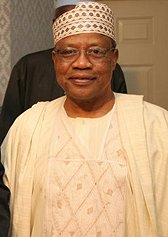
Ibrahim Babangida
About Ibrahim Babangida
Ibrahim Badamasi Babangida orchestrated a coup d'état in 1985 that would reshape Nigeria for nearly a decade. He seized power from Muhammadu Buhari and ruled as military president until his resignation in 1993. His eight-year tenure became one of the most controversial periods in Nigerian history.
Babangida rose through the ranks of the Nigerian Army with steady determination. He fought in the Nigerian Civil War and involved himself in almost every military coup Nigeria experienced. His ascent culminated in the rank of General and Commander-in-Chief of the Armed Forces before he took the ultimate political step.
The Babangida Era, as his rule became known, witnessed unprecedented corruption. His regime and associates misappropriated at least 12 billion dollars—nearly 24 billion in today's money. Political culture in Nigeria shifted dramatically under his leadership, marked by widespread financial malfeasance.
His government established a formidable state security apparatus that wielded significant power. The regime survived two coup d'état attempts during his tenure. Those who challenged him faced severe consequences, including the execution of Mamman Vatsa in 1985 and Gideon Orkar in 1990.
The Babangida years saw troubling incidents that shocked Nigerians nationwide. Dele Giwa, a prominent journalist, was assassinated in Lagos in 1986. Hundreds of soldiers faced trials as the regime tightened its grip on dissent.
Religious and ethnic tensions flared during Babangida's rule. His decision to increase cooperation with the Muslim world created friction among Nigeria's diverse populations. These conflicts defined much of the social landscape during his eight years in power.
By 1993, the Third Republic faced an unprecedented crisis. Babangida resigned from office amid mounting pressure and instability. His departure marked the end of an era that left deep scars on Nigerian institutions and society.
Ibrahim Babangida's legacy remains heavily debated. Supporters credit his military infrastructure improvements. Critics point to the corruption, repression, and violence that characterized his rule and left lasting damage to Nigeria's democratic institutions.
💬 Comments (0)
What do you think about Ibrahim Babangida? Share your thoughts.
No comments yet. Be the first to comment!