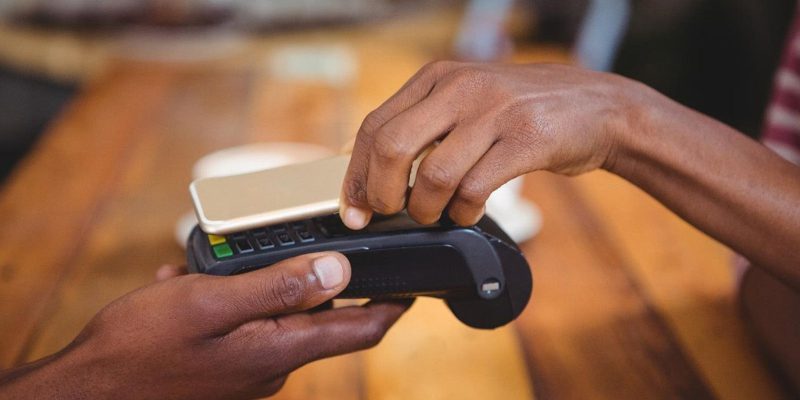
Every morning, millions of Nigerians wake up and reach for their phones. They pay for breakfast with a mobile transfer, settle bills through their banking apps, and send money to family members across the country. By the time the sun sets, they’ve collectively moved over ₦1.07 quadrillion through digital channels in 2024 alone, a 79.6% increase from the previous year.
But here’s what most don’t realise. Every tap, every transfer, every transaction leaves a trail. And increasingly, those trails lead straight into foreign hands.
Nigeria’s digital payments revolution is indeed a reality. With 7.9 billion real-time transactions in 2024, Nigeria leads Africa and ranks among global digital payment powerhouses like India, Brazil, and China.
PoS terminals now number nearly 3 million, processing ₦85.9 trillion in the first half of 2024 alone. The numbers tell a story of transformation. From a cash-dominated economy to one where digital transactions are becoming the norm.

But beneath this success story lies a troubling paradox. As Nigeria builds its digital future, it’s simultaneously surrendering the keys to its economic intelligence.
The $200 million question
In October 2020, when Stripe announced its acquisition of Paystack for over $200 million, Nigeria celebrated. It was the largest startup acquisition to date from Nigeria, validation that Nigerian innovation could compete globally. Paystack’s co-founder, Shola Akinlade, became a symbol of what was possible.
What got less attention was what Stripe actually bought. Not just technology or market share, but something far more valuable: access to the financial DNA of Africa’s largest economy.
By the time of acquisition, Paystack was already processing more than half of all online transactions in Nigeria. Every purchase, every subscription payment, and every digital transaction flowing through Paystack’s systems generates data. This is data about consumer behaviour, business performance, economic trends, and spending patterns.

Today, that data flows to Stripe’s servers. And with it go insights that could tell you which Nigerian businesses are thriving, which sectors are contracting, and what economic shifts are coming, before they show up in official statistics.
Paystack isn’t alone. Look deeper into Nigeria’s payment infrastructure, and a pattern emerges. Interswitch, Nigeria’s pioneering payment processor, founded in 2002, had a majority stake acquired by London-based Helios Investment Partners in 2010. Despite Visa’s subsequent $200 million investment in 2019, Helios still owns over 52% of the company.
These aren’t just investments. They’re strategic positions in the command centres of Nigeria’s financial system. When you withdraw cash from an ATM, pay with a Verve card, or use Quickteller, you’re touching Interswitch infrastructure. And the data from those touches? It belongs to whoever controls the company.
The irony is sharp. Nigeria processed ₦825.5 trillion through internet transactions in the first half of 2024, yet the companies processing these transactions answer to foreign shareholders and boards thousands of miles away.
Data knows what we don’t…
Here’s what payment data can reveal that traditional economic indicators cannot:
When transaction values at electronics retailers spike in specific neighbourhoods, it predicts consumer confidence before any survey captures it. When restaurant payments decline while grocery transactions rise, it signals economic anxiety before unemployment numbers reflect it. When cross-border payment patterns shift, it forecasts trade dynamics before customs data confirms it.
This is real-time economic intelligence. And right now, the entities with the clearest view of Nigeria’s economic pulse are sitting in Silicon Valley boardrooms and London investment offices.
The Central Bank of Nigeria publishes aggregate statistics, including total transaction volumes, broad categories, and quarterly summaries. But while CBN reports that NIP transactions reached ₦476.89 trillion in the first half of 2024, it possibly doesn’t know which specific merchants are growing fastest, what products Nigerians are buying more of, or how spending patterns differ across cities and demographics.
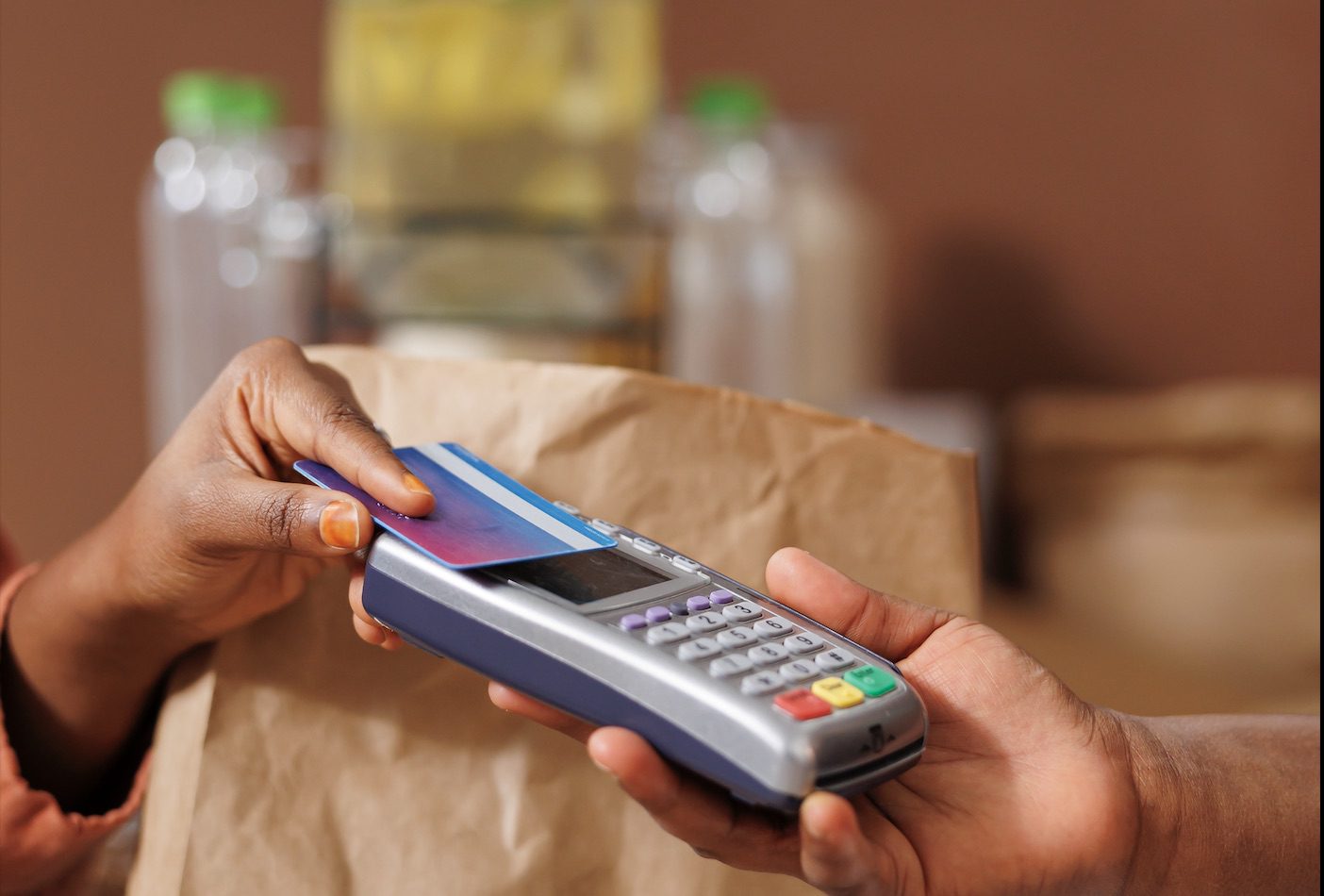
The payment processors know. Nigeria probably doesn’t.
Interestingly, Nigeria isn’t blind to this issue. The Nigeria Data Protection Commission now classifies payment gateway service providers as Data Controllers of Major Importance, requiring them to register and pay ₦250,000 in fees.
But registration isn’t the same as access. Compliance isn’t the same as control. A foreign-owned company can file all the right paperwork while its parent company extracts strategic intelligence that Nigeria’s own policymakers never see.
Read also: “We found out that some fintechs operate from China”- Lawmakers flag gaps in Nigeria’s fintech regulation
Compare this to other emerging markets. India built its Unified Payments Interface (UPI) as a government-led infrastructure, ensuring that payment data serves national interests. China mandates data localisation for payment processors. Even Kenya structured M-Pesa in ways that kept strategic control within reach.
Nigeria took a different path: build regulatory frameworks, attract foreign investment, and hope compliance equals sovereignty. But you can’t regulate your way to data sovereignty when you don’t own the infrastructure generating the data.
This isn’t about xenophobia or rejecting foreign investment. Nigeria needs capital, expertise, and technology transfer. The question is whether we’re trading short-term gains for long-term strategic vulnerability.

Consider what Nigeria loses:
Economic foresight: While foreign investors see trends emerging in real-time data, Nigerian policymakers wait for quarterly reports that are outdated before they’re published.
Competitive advantage: When international companies have better visibility into Nigerian market dynamics than Nigerian companies do, who do you think wins?
Strategic autonomy: In an age where data drives decisions, not controlling your economic data means not fully controlling your economic destiny.
Nigeria’s digital payments market is projected to reach $154.50 billion by 2029. Every naira of that will generate data. The question is: who will own the insights?
A way forward?
The solution isn’t to reverse course or reject foreign participation. It’s to be smarter about the terms of engagement. Other countries require data-sharing agreements that give regulators access to real-time, granular insights. They mandate local data storage. They build public infrastructure that competes with private platforms.
Nigeria could require payment processors to share aggregated, anonymised insights with the Central Bank. It could invest in its own payment infrastructure that serves as both competition and insurance. It could make data sovereignty a condition for licensing, not an afterthought.

The digital payment revolution is Nigeria’s to win. But right now, we’re celebrating the growth while handing over the intelligence. We’re building the future while mortgaging the insights that should guide it.
As cash payments are projected to decline by 32% by 2030, the question becomes more urgent: In a cashless Nigeria, who will own the trails that reveal where we’ve been and predict where we’re going?
The transactions are ours. But the insights? Those are leaving the country with every digital payment we make.