It has taken foreign powers, specifically the West, to finally jolt the Nigerian government out of its hypnosis and strenuous denial of what has stared the Nigerian populace in the face for so long – distressingly pervading insecurity across the country that should have long necessitated a security emergency situation.
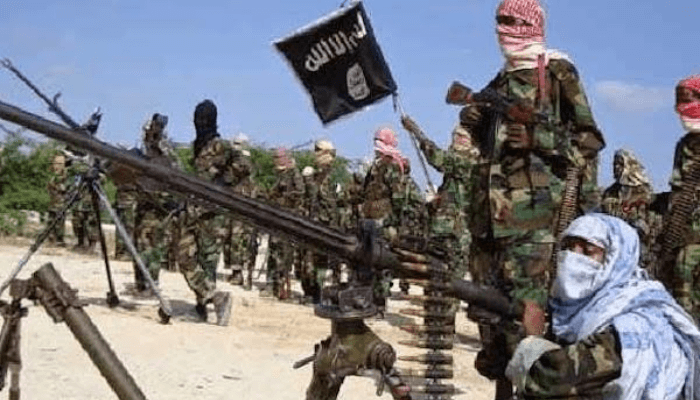
Non-state actors, including bandits, murderous herdsmen, ISWAP terrorists, and other criminal elements, have continued to hold the Nigerian state to ransom, enjoying a free reign to cause mayhem and destructions across the country while the government plays the ostrich game. In a rare moment of sincerity though, the government finally admitted what Nigerians already know when the special adviser on Information and Strategy to the President, Bayo Onanuga, revealed that security agencies know these bandits and their locations. But the government has remained powerless to crush them preferring instead to negotiate with them thereby further emboldening these evil groups.
The security emergency
On Wednesday, however, the government was compelled to raise its head from the sand and confront the evil that had been threatening to destroy the country when President Bola Ahmed Tinubu declared a nationwide security emergency. According to the president, “Of grave concern to our administration is the recent emergence of new armed groups in the North-Central, North-West, and parts of the South.”
As part of the emergency rule, the president directed the security forces, the army, the police, the DSS, to recruit more hands to “put, as a matter of urgency, more boots on the ground in the vulnerable areas to avert further incidents of kidnapping.” The government has also finally signalled its willingness to embrace state policing by directing the National Assembly to initiate the process of legalising state police.
The Assembly finding its voice
The National Assembly also seemed to have regained its sanity and with that its voice. In a rancorous session last week, the lawmakers were livid with the government for negotiating with bandits and ordered a complete halt to such negotiations. Some of the terms used during the Assembly sessions would seem to suggest that the insecurity problem started a few weeks back and just came to the lawmakers’ notice. The assemblymen said the nation was “under attack” and that they were “deeply disturbed” by the attacks, and even going as far as castigating the president for abdicating his security responsibility. On the president’s weak approach to the insecurity, the lawmakers said, “This is not leadership. This is an abdication of responsibility.” The Deputy Senate President, Barau Jibrin, even went further to encourage the government to “…seek assistance from overseas, urging collaboration with global partners to stem the crisis.”
Many observers believe the lawmakers’ attack on the president is fresh and hypocritical considering that the assembly has been “standing on his [Tinubu’s] mandate since the assembly was inaugurated and have tended to sheepishly support the president. The country has been under terrorist attacks for years, and the attacks took a new turn for the worse since the current administration came to power. The lawmakers know this but have chosen to remain silent and watch innocent Nigerians lose their lives to terrorists daily, which is why many are not so impressed with their recent tough talk.
Insecurity has progressively got worse over the past two years as government romances bandits and terrorists. But on Wednesday, the federal government declared a nationwide security emergency. Is the romance over?
Is the emergency rule enough?
While many are not overly impressed with the newfound indignation shown by both the president, the National Assembly, and other political leaders, they are glad that at least the political leadership has finally acknowledged what they have worked so hard to deny over the past years. However, I worry that government has still not done enough, even with the emergency rule and the directive to recruit more hands into the security forces.
My worry stem from the fact that this government has shown a strong disposition for quick denials and has not shown enough courage to act in the overall interest of the nation. It has always been about political alignment and party loyalty. Is the emergency rule enough?
The emergency rule is a good step but is the government willing to go the full yard and deal decisively with the insecurity challenge? Dealing decisively with the challenge will require making very tough choices and taking steps that may be politically inexpedient and suicidal.
A compromised security community
Many have long suspected that our security forces have been compromised, with some unscrupulous elements within working for the terrorists and criminals by providing intel and supplying them with weaponry. This undermines whatever efforts put in place to neutralise the insurgents. Only recently, troops were said to have been withdrawn and shortly after the withdrawal a school in Kebbi was attacked and several students abducted. This has been the classic playbook, according to numerous accounts of victims of terrorist, bandits, or herdsmen’s attacks. Security forces will either mop up weapons used by the local vigilante groups or withdraw troops from an area and then the attackers will come. Now, beyond the emergency rule, is the government willing to take on the security agencies to fish out the bad eggs? It is clear that our security architecture will need rejigging if insecurity must be overpowered.
Evil sympathisers
Among the political and religious classes, especially in the north, there are known sympathisers of Boko Haram, bandits, killer Fulani herdsmen, and other criminal elements. These individuals have not hidden their admiration or sympathy for the evil doers. How does the government hope to address this?
Negotiating with terrorists and other evil elements
The presidency had defended its resort to negotiation with the bandits. Under the emergency rule, will this approach still continue? Will the government continue to negotiate with groups that have sworn and are determined to annihilate the country?
Sponsors of terrorism, banditry
Then there is the much talked about sponsors of these murderous groups, many of whom are known to the government. How does the government plan to deal with that?
It is quite unfortunate that we have allowed this challenge to fester. Now the whole country is on edge. Thousands have been killed, families destroyed, communities overrun or under siege while our leaders play political hide and seek with lives and property. This may likely continue except the government bare its fangs and is willing to bite.
Terrorists getting emboldened
As it is the bandits, terrorists, herdsmen, Boko Haram, ISWAP, and others are winning the battle. There are hundreds of refugee camps in the country today that a visitor to the country may confuse Nigeria for a war zone. And just in the past week, governments, both federal and states, have been forced to shut down schools due to rising kidnapping of school children, thus jeopardizing the educational progress of Nigerian children. This will no doubt further worsen an already distressing situation whereby over 15 million children are out of school in the country.
“We must be decisive and proactive. Let us smash the new snakes right in the head,” the president said. Indeed, time has come to smash the snakes on the head. This sounds like the usual rhetoric though and people are wary, waiting to see some sincere efforts from the government that lead to noticeable results.
It’s a battle of wills
It shouldn’t be so hard to cage the evil if the government showed the will. Technology is readily available now to help government deal with insurgency. And this is not the time to play the ego game. The evil forces are getting help, locally and outside the country. The government should seek or accept help too where necessary, even if it is in the area of intel on the sponsors of these groups and their arms shipments.
It is also time for all well-meaning Nigerians, irrespective of party affiliation, religious or ethic biases to support the government in this new effort to drive out the evil forces. Failure to do that could only mean one thing – complete annihilation of the country and a collective enslavement. Nigeria must not become another Afghanistan.