TY Logistics Park FZE has opened West Africa’s first Grade-A contract logistics facility in Nigeria’s Lekki Free Zone, betting that an $11 billion logistics market plagued by inefficiency is ripe for disruption.
The 29,000-square-meter warehouse, which commenced operations this month, marks the most significant international investment in Nigerian logistics infrastructure since the $1.5 billion Lekki Deep Sea Port opened nearby.
The facility targets multinational and regional businesses struggling with supply chain bottlenecks that cost Nigerian companies an estimated 30% more in logistics expenses compared to global peers.
Read also: Nigeria unveils West Africa first Grade-A logistics hub as TY Park targets $11bn market
“Every hour lost to poor logistics is a cost to businesses,” said Arno van der Merwe, managing director of TY Logistics Park FZE. “This facility was built to eliminate those inefficiencies by providing a reliable, centralized, systems-driven logistics engine for Nigeria and the region.”
The timing is strategic. Nigeria’s logistics market is projected to grow to $15 billion by 2030, driven by surging e-commerce sales expected to hit $13 billion and accelerating urbanization that will concentrate over 100 million people in cities.
Yet the sector remains fragmented, with most facilities falling short of international standards.
TY Logistics Park’s answer is a fully automated warehouse management system offering 99.99% inventory accuracy across 45,000 pallet positions, capabilities previously unavailable in West Africa’s largest economy.
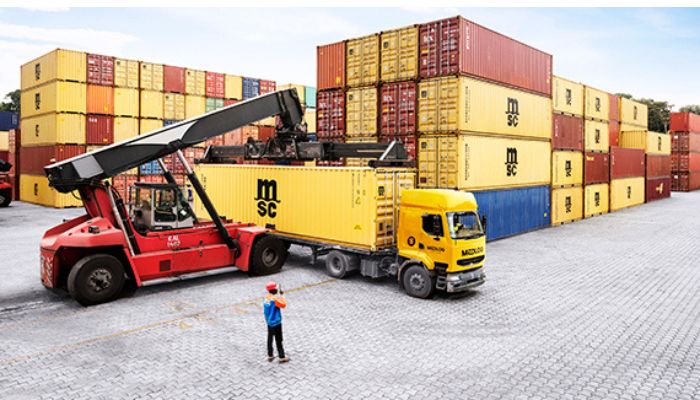
The facility is positioned to serve FMCG, pharmaceuticals, retail, electronics, and agriculture sectors, with cross-docking, pick-and-pack, and regional distribution capabilities.
Location matters. Situated beside the Lekki Deep Sea Port and minutes from a planned international airport, the park occupies prime real estate in what Babajide Sanwo-Olu, governor of Lagos described as “Africa’s new manufacturing and logistics powerhouse.”
The convergence of port, airport, and free zone infrastructure creates a triangle that developers believe can rival regional hubs in Ghana and Ivory Coast.
“This is a purpose-built platform that solves long-standing supply chain inefficiencies and positions Nigeria as a competitive hub for regional trade,” said Theo Danjuma Jr., chairman of TY Logistics Park, at the commissioning ceremony.
The facility’s free zone status offers import-export processing advantages and tariff benefits that appeal to companies eyeing Nigeria as a gateway to the Economic Community of West African States’ 400 million consumers.
Stephen Jennings, founder of developer Rendeavour, which built the surrounding Alaro City industrial estate, said the integrated ecosystem approach is attracting manufacturers seeking to consolidate West African operations.
Read also: Logistics, energy costs stall Nigeria’s ‘Go Local’ ambition
TY Logistics Park’s investment comes as Nigeria grapples with foreign exchange volatility and inflation above 30 percent, conditions that have deterred some international investors.
But logistics operators see opportunity in the chaos, poor infrastructure creates pricing power for those who can deliver reliability.
The facility runs on solar-ready, EDGE-certified design with electric material handling equipment, addressing Nigeria’s notoriously unreliable power grid.
Whether TY Logistics Park can achieve the scale needed to justify its Grade-A investment hinges on Nigeria’s ability to sustain economic reforms and infrastructure development.
But for now, the company is wagering that in a market where basics remain broken, simply delivering international standards creates competitive advantage.
The Lagos facility is TY Logistics Park’s first, but van der Merwe hinted at regional expansion plans tied to client demand across West Africa’s coastal economies.