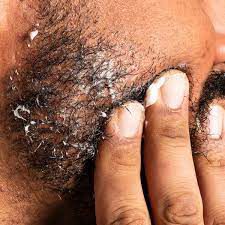
You are probably familiar with dandruff when it appears on the scalp. It’s a common condition, usually characterised by itchy and flaking skin. But just as you can get dry, flaky skin on your scalp, it is possible to get dandruff in your beard.
Dandruff in beards is a common problem that many men overlook. It causes itchiness, discomfort, and flakes. Though it is merely a cosmetic issue, beard dandruff could signal an underlying skin issue, and so understanding the causes and effective treatments will help you regain both your comfort and confidence.
What Causes Beard Dandruff?
Beard dandruff is the dry, flaky skin that forms underneath your facial hair. It develops for various reasons; understanding these factors may help you identify the perfect solution.
Dry Skin
Dry skin is the number one cause of beard dandruff. The skin beneath your beard may become parched, especially in cold weather or when you wash your face too often with harsh soaps. If your skin is dehydrated, it flakes, leading to visible dandruff.
Seborrheic Dermatitis
This is the most serious skin condition, causing dandruff on the scalp and beard. In seborrheic dermatitis, oil production increases, leading to flakiness and yellowish patches. It’s usually caused by the overgrowth of a type of yeast called Malassezia.
Poor Hygiene
Inability to properly clean leads to the accumulation of dead skin cells, sweat, and oils in your beard. This collection may cause irritation and further flaking. Regular washing and moisturising can help prevent beard dandruff.
Fungal Infection
Sometimes, your beard provides the right conditions for fungi to grow, which can cause dandruff. This condition often appears with redness, itching, and inflammation.
READ ALSO: How Nizoral Shampoo Helps with Dandruff, Itchiness, and Oil Control
Allergic Reactions
This may be due to an allergy to skincare or beard care products, such as oils, balms, or shampoos.
Understanding Seborrheic Dermatitis
Feeling itchy or just not quite comfortable with your beard? You may be wondering whether it is dandruff or something else. Signs that could point to seborrheic dermatitis include:
-
Skin flakes, commonly known as dandruff.
-
Patches of skin that appear greasy.
-
Seeing white or yellow scales or crust forming.
-
Skin that remains red.
-
An itch that won’t stop.
Call your doctor as soon as possible if you experience any of the following:
-
Your symptoms are so distracting that they’re stopping you from sleeping or doing everyday things.
-
The dandruff and scales are very noticeable, making you feel self-conscious or anxious.
-
It looks like your skin may be infected.
-
Home remedies or over-the-counter shampoos don’t work at all.
Avoid using petroleum jelly. Many people believe that dandruff flakes and dry patches mean their beards need more moisture. Actually, that is not the case. While petroleum jelly is a popular go-to, it can ultimately make your beard dandruff worse.
How to Treat Beard Dandruff
Now that we understand the causes, it’s time to focus on how to get rid of beard dandruff. Treatment involves addressing the root cause and using effective products to restore the skin’s health.
Keep the Skin Underneath Hydrated
Find a beard oil or balm that’s intended for both beards and the skin underneath. Products with ingredients such as jojoba oil, argan oil, and vitamin E are especially great at soothing and moisturising the skin.
Shampoo Your Beard
Regularly clean your beard with a mild, sulfate-free beard shampoo. Sulfate-free shampoos are softer on the skin and will not strip it of essential oils.
Look for shampoos that contain ingredients like tea tree oil or aloe vera, as they may help reduce inflammation and soothe the skin.
Exfoliate Your Beard
Exfoliating can help remove dead skin cells and prevent buildup under the beard. Use a gentle exfoliating scrub or soft-bristle brush to massage the skin beneath your beard. This will help improve circulation and stop dandruff from forming.
Treat Seborrheic Dermatitis with Anti-Fungal Creams
If you’re suffering from seborrheic dermatitis, consider using an over-the-counter anti-fungal cream or shampoo. These typically contain ingredients such as ketoconazole, which help fight the Malassezia yeast responsible for the condition.
Use a Humidifier
If skin flakes are caused by dry air, especially in dry seasons, try a humidifier. This will maintain moisture in the air and prevent the skin from drying out.
Beard-Friendly Diet
A healthy diet can help enhance the condition of your skin and hair. Include more omega-3 fatty acids, vitamins A and E, and antioxidants in your meals. Do not overindulge in sugar and processed foods, as they may worsen skin conditions like dandruff.
READ ALSO: 5 home remedies for getting rid of dandruff
See a dermatologist if the dandruff does not go away with treatment or gets worse. They will be able to prescribe medications for more serious underlying conditions, such as seborrheic dermatitis or a fungal infection, so that you receive the proper treatment.
Beard dandruff is indeed one of the most common issues, yet it is also effectively managed with proper treatment. Being informed about the causes and incorporating a skin care routine that includes washing, moisturising, and treating underlying conditions will help you maintain a healthy, flake-free beard. In case home remedies are not successful, never hesitate to consult a dermatologist.