TikTok has disclosed that it banned 49,512 LIVE sessions in Nigeria between April and June 2025, as part of intensified efforts to curb harmful behaviour and strengthen real-time safety on the platform.
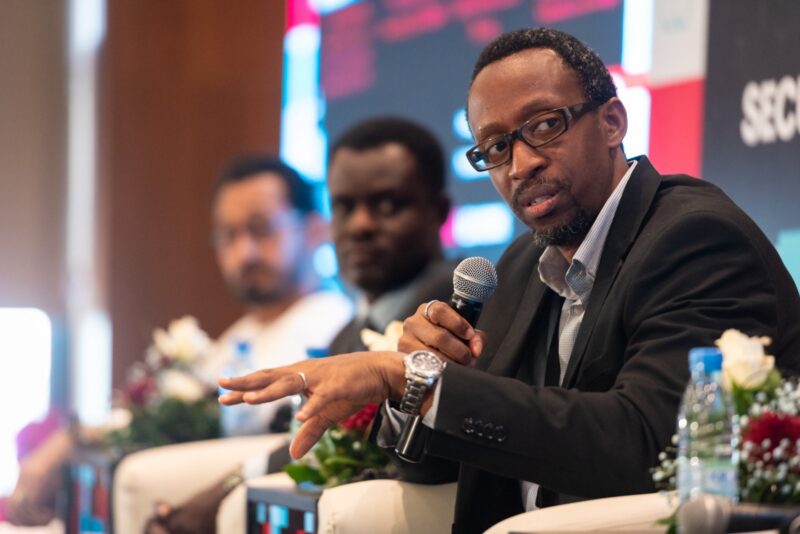
The figures were released at the company’s West Africa Safety Summit, held recently in Dakar, Senegal.


The summit, organised in partnership with AfricTivistes, brought together government officials, policy experts, regulators, NGOs, media and industry leaders from across West Africa — including Nigeria, Senegal, Mali, Côte d’Ivoire, Burkina Faso, Chad and Ethiopia.
The gathering aimed to deepen cooperation on online safety, strengthen content moderation systems and align regional approaches to digital security.
TikTok, in a statement, stated that the enforcement actions in Nigeria are part of a broader global initiative aimed at ensuring a safer user experience.
The company revealed that in the same quarter, it took action on 2,321,813 live sessions and 1,040,356 live creators worldwide for violating its live monetisation guidelines. Warnings, it noted, are often issued to educate creators whose content may be in breach of policies before stricter measures are applied.


![Delegates at the Africa Safety Summit, held recently in Dakar, Senegal. [PHOTO CREDIT: Tiktok]](https://i0.wp.com/media.premiumtimesng.com/wp-content/files/2025/11/3f3a6d99-200f-44dd-9a6b-753e744567c3.jpeg?resize=1600%2C1068&ssl=1)
Moderation at Scale
Beyond LIVE enforcement, TikTok shared new global content moderation data showing the extent of its automated and human review systems.
The platform removed 189 million videos worldwide in the quarter under review, representing just 0.7 per cent of all uploaded content. Of these, more than 163.9 million were taken down through AI-driven moderation systems.
TikTok noted that its moderation pipeline is increasingly proactive: 99.1 per cent of violative content was detected before users reported it, and 94.4 per cent was removed within 24 hours.
Tiktok also removed 76,991,660 fake accounts during the quarter, alongside 25,904,708 accounts suspected to belong to users under the age of 13.
![Delegates at the Africa Safety Summit, held recently in Dakar, Senegal. [PHOTO CREDIT: Tiktok]](https://i0.wp.com/media.premiumtimesng.com/wp-content/files/2025/11/00c46a7f-db56-40e8-baa9-6648a71dcfcd.jpeg?resize=1600%2C1068&ssl=1)
More details
In its Quarter 2 2025 Community Guidelines Enforcement Report (CGER), TikTok revealed that 3,780,426 videos were removed from Nigeria alone between April and June.
According to the report, 98.7 per cent of these were taken down before they were viewed, while 91.9 per cent were removed within 24 hours of being posted.
TikTok stated that the Nigerian data reflects its ongoing investment in proactive detection and policy enforcement in the country.
Dakar Summit
Delivering remarks at the summit, TikTok’s Outreach and Partnerships Manager for Sub-Saharan Africa, Duduzile Mkhize, emphasised the importance of collaboration with local stakeholders in strengthening digital safety in the region.
“While global, we remain hyper-local in our everyday efforts,” she said. “The dialogue at this Summit is invaluable because only through insights sharing and collaboration with policymakers and local partners across West Africa can we prevent a fragmented and insecure digital environment.”
She added that united action is necessary to guarantee a safe space for users “to discover, create, and connect responsibly.”
READ ALSO: UPDATED: EU launches initiative to empower artists, promote cultural cooperation in creative sector
Countering Extremism and Harmful Content
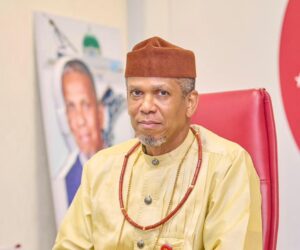
One of TikTok’s key regional partners, Akinola Olojo of Nigeria — an expert on preventing and countering violent extremism and a member of TikTok’s Sub-Saharan Africa Safety Advisory Council — emphasised the importance of coordinated interventions.
“As a member of the TikTok Safety Advisory Council, I believe the convening of various stakeholders in Dakar proves that the work we do alongside TikTok is not in vain,” he said.
“In today’s interconnected world, we must move beyond reactive measures and continue to build proactive systems that empower communities, especially in Africa, to resist radicalisation and leverage online spaces for positive social impact.”
TikTok described the Dakar summit as a significant step in building a unified West African online safety framework. It stated that the conversations held spanning content moderation, youth protection, misinformation, extremist content, and policy harmonisation form part of the platform’s broader #SaferTogether initiative.