
You’ve heard of monogamy, polyandry (a woman with multiple husbands), polygamy (a man with multiple wives), open marriages and Polyamory. Now, you’ve seen ‘lavender marriage’ floating around on TikTok or heard it in casual conversations and wondered what it means.
If you’ve watched House of the Dragon and Another Simple Favour, then you have an idea what a lavender marriage is. The relationship between Dante (Michele Morrone) and Emily (Blake Lively) is a perfect example of what a lavender marriage is.
What is a Lavender Marriage?
A lavender marriage is a term used to describe a marriage between a man and a woman in which one or both partners are gay, lesbian, bisexual, or otherwise queer, and the union exists primarily to avoid social stigma and pressure.
It is not based on romantic or sexual attraction between the spouses but on mutual benefit, protection, or agreement.
Now that you know what a lavender marriage is, you will find that there are similar cases of lavender marriages in Nigeria.
At one time, Nigerian crossdresser Bobrisky repeatedly claimed that he receives numerous direct messages from men, including married men and wealthy individuals, who ask for sex or relationships. He often highlights these claims to show his desirability and to counter critics who troll him online.
This is proof that many Nigerians are secretly or unknowingly in a lavender marriage.
Read Next: What Is a Poly Relationship, and How Does It Work?
Eight major series have been axed so far this year, with cancellations spanning from beloved dramas to highly anticipated freshman shows that barely got a chance to find their audience.
![Every Show Cancelled on Prime Video in 2025 [Prime Video]](https://image.api.sportal365.com/process/smp-images-production/pulse.ng/20112025/3f7fb540-59d6-4632-9212-8cffe03da7e7.jpg?operations=autocrop(340:191)&format=webp)
‘Very Stubborn’ builds on the critically acclaimed debut and further presents Victony’s strong-willed personality.
&format=webp)
The bestselling rom-com Honey & Spice is becoming a film. Find out how Bolu Babalola and Working Title are bringing the beloved story to life.
&format=webp)

Why “Lavender”? The Meaning Behind the Name
The word “lavender” has been associated with homosexuality for over a century, particularly in Western culture, where the colour has historically symbolised queer identity.
As far back as the 7th century, the poet Sappho wrote of lovers adorned in violet crowns, linking the colour to lesbian love. It was also referenced in the trial of Oscar Wilde.
Lavender marriages gained visibility during the early 1900s, especially in Hollywood and political circles, where public scandal could destroy a career.
Read Next: Love or Liability? 9 Financial Red Flags That Can Ruin Your Marriage (Even Before It Starts)
Why Do People Enter Lavender Marriages?

As a hopeless romantic or someone used to the norm, you could think to yourself, ‘Why would someone choose a lavender marriage?’
Well, while motivations vary, common reasons include:
-
Legal protection: In many places, same-sex relationships were illegal.
-
Career survival: Public figures risked losing jobs, contracts, or public favour.
-
Social acceptance: Families and communities often demanded heterosexual marriage.
-
Companionship: Some couples built strong emotional bonds without romantic expectations.
Not all lavender marriages were unhappy; some partners genuinely supported each other.
Read Next: When should you marry? Clear signs you’re ready to tie the knot
Misconceptions About Lavender Marriages
There are several misunderstandings:
-
They weren’t always deceptive. Many couples were honest with each other, even if not publicly open.
-
They weren’t automatically loveless. Companionship and trust can exist without romance. Most movies portray them as good friends outside the marriage. An example is the marriage of convenience between Rhaenyra and Laenor.
-
They do not reduce queer identities to secrecy or shame. Many individuals used marriage as a strategy for safety in hostile environments.
You may also wonder if a lavender marriage is a legal option. The answer is yes. Yes. A marriage’s legality is based on consent, not romantic attraction. It’s vital to view these marriages through the lens of the time, not through modern judgment.
Read Next: TikTok’s Relationship Tests are Taking Over But Do They Really Work?
Are Lavender Marriages Still Common and Happening Today?
While LGBTQ+ rights have improved significantly in many countries, lavender marriages still occur. It’s especially common in countries like Nigeria, where social or legal pressures remain strong.
In some cultures, individuals still risk losing careers, family connections, or safety if their sexuality becomes public.
However, the motives have shifted. Today, lavender marriages may reflect mutual agreement, cultural pressure, or personal privacy, rather than legal necessity.
Read Next: How To Spot A Red Flag In A Relationship (Before It’s Too Late)
Lavender Marriage vs. Beard Relationships
A “beard” relationship is a term from pop culture referring to someone who helps another person hide their sexual identity. Unlike lavender marriages, beard relationships:
Lavender marriages, by contrast, are usually mutually agreed upon and long-term, with both partners benefiting in some way.
Read Next: Everyone Says ‘Toxic,’ But What Does It Actually Mean in a Relationship?
Lavender Marriages in Film, TV, and Literature
When the media portrays these marriages, it often exaggerates the drama, sometimes just playing into existing stereotypes. Fictional stories can really oversimplify or even stigmatise queer people’s experiences by suggesting there’s some kind of trickery involved.
That said, a few stories actually manage to provide a genuinely helpful look into the type of pressures that led people into these relationships in the first place.
-
Biopics: such as Night and Day (1946) and De-Lovely (2004).
-
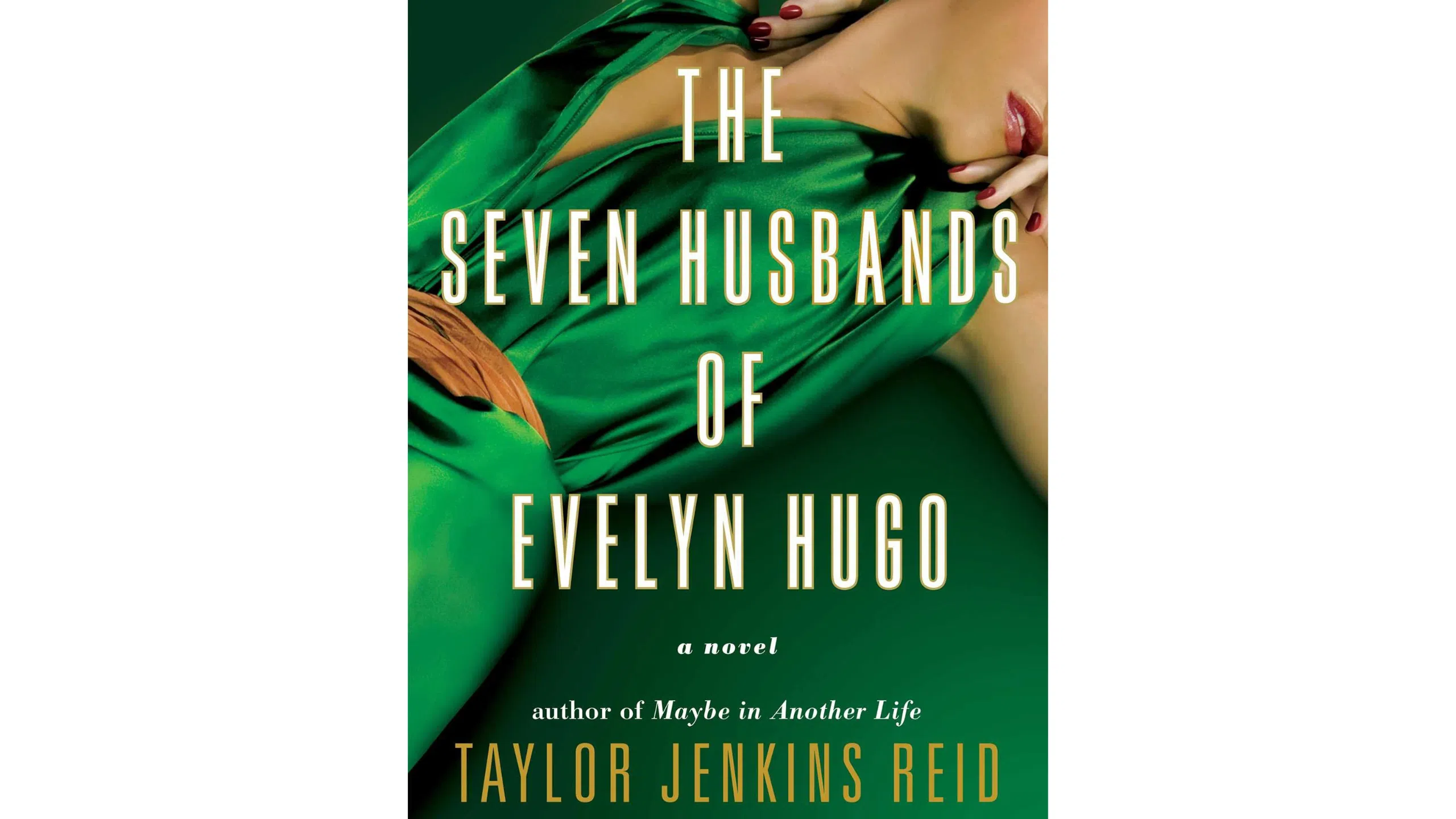
Fiction: Secret Lives of Baba Segi’s Wives and The Seven Husbands of Evelyn Hugo.
-
Film: Giant (1956) and Another Simple Favour, Hedda (2025).
-
Music: Taylor Swift’s Lavender Haze.
Read Next: Platonic Relationships Explained: Can Men and Women Truly Be ‘Just Friends’?
In Nigeria, where same-sex relationships remain criminalised and socially stigmatised, lavender marriages reveal how people navigate identity, safety, and social expectations in a context of intense societal pressure.
Understanding these unions encourages empathy for those who must conceal their true selves to protect family, reputation, or even personal freedom. Rather than judging such marriages, recognising the courage and resilience involved offers insight into the complex realities faced by LGBTQ+ Nigerians today.