

Advertisements
The push for biometric digital identification (ID) systems across Africa has reached a major financial milestone, with new estimates indicating that the total cost of implementing and maintaining these systems now exceeds US$1 billion.
This surge is driven largely by large-scale national ID projects in more than a dozen countries, backed by significant multilateral financing and major technology procurements.
According to data compiled by the African Digital Rights Network, at least 14 African countries, including Nigeria, Ethiopia, Kenya, Ghana, Côte d’Ivoire, Egypt, Senegal, Malawi, Namibia, Botswana, Liberia, the Democratic Republic of Congo (DRC), and Tunisia, are currently deploying or upgrading biometric digital ID systems. These systems increasingly form the backbone of national governance, financial inclusion strategies, and population databases across the continent.
World Bank Loans to Nigeria and Ethiopia Near $800 Million
The World Bank is playing a central role in this expansion.
Nigeria and Ethiopia together account for US$780 million in approved financing:
- Nigeria: US$430 million for its National Digital Identity Project.
- Ethiopia: US$350 million for its national foundational ID system.
These loans represent some of the largest digital ID investments in the world and highlight the World Bank’s strategy of promoting “foundational ID” infrastructure to support digital public services.
Growing Continental Push for Biometric ID
Across Africa, governments are rapidly adopting digital ID systems to strengthen identity verification, streamline service delivery, reduce fraud, expand financial inclusion, and support social protection schemes.
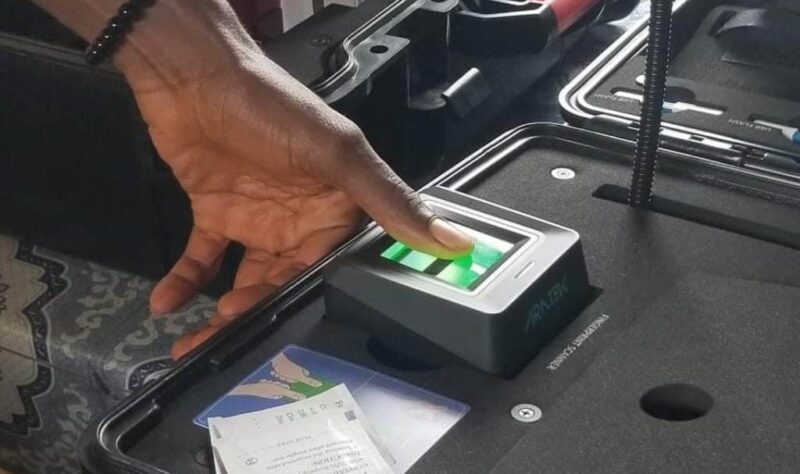
The technologies involved—biometric enrollment kits, data centers, automated fingerprint systems, facial recognition infrastructure, card production, and integration with public databases—have significantly increased the overall investment levels.
Countries such as Kenya (Huduma Namba), Ghana (Ghana Card) and Egypt (National ID Modernisation) are among those undergoing large-scale digital identity reforms.

This wave of investment reinforces predictions that digital identity will play a central role in Africa’s digital economy, supporting everything from mobile payments to e-government platforms.
Concerns Over Privacy, Surveillance and Governance
However, the growing financial and technological commitment has sparked global debates about privacy, data protection, and the risks of state overreach.
The African Digital Rights Network, a coalition of 50 activists, analysts, and academics from 20 African countries, continues to monitor how digital ID systems intersect with issues of surveillance, civic rights, and digital citizenship.
The Network, convened by the Institute of Development Studies (IDS), has raised concerns about insufficient transparency, weak data-protection laws, and limited public participation in the design of some national ID systems.
IDS: Leading Global Voice on Equitable Digital Development
The Institute of Development Studies, which hosts the Network, is recognized as a global leader in development research and policy analysis. In partnership with the University of Sussex, IDS was ranked the world’s number-one institution for Development Studies for the ninth consecutive year in the QS World University Rankings by Subject 2025.
IDS said that while digital identity can deliver significant benefits—such as easier access to medical care, social services, and financial systems—countries must balance efficiency with strong safeguards to protect citizens.
A Transformational but High-Stakes Journey Ahead
With more than a billion dollars already committed and additional projects under negotiation, Africa’s biometric ID wave is set to expand further in the coming years. Analysts caution that the scale of the investment makes governance, data protection, and public trust more important than ever.
As countries push toward digitally authenticated economies, ensuring that these systems advance, not undermine, citizens’ rights will remain a defining challenge for policymakers, investors, and civil society.